Cluster Pays & Grid Cascading Slot Engines — Math, Tumbles & Multiplier Spots
How 5x5, 6x5, and 7x7 grid slots replace traditional paylines with adjacency clusters, avalanche tumbles, charge meters, and persistent multiplier grids.
1. Adjacency Clusters vs Scatter-Pays (Pay Anywhere)
True Cluster Pays engines—pioneered by NetEnt's Aloha! Cluster Pays and perfected by Play'n GO (Reactoonz, Moon Princess), Push Gaming (Jammin' Jars), and Pragmatic Play (Sugar Rush 1000)—require 5+ identical symbols touching horizontally or vertically. Scatter-Pays engines (Gates of Olympus 1000, Sweet Bonanza 1000) remove adjacency completely, paying whenever 8+ matching icons land anywhere on the grid.
2. Why Cascading Tumbles Amplify Variance
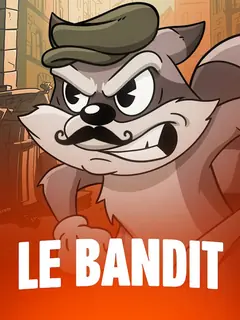
Whenever a winning cluster clears and fresh symbols drop from above, every secondary cascade runs for free inside the same paid spin. Studios pair those chains with escalating features: Play'n GO charges Quantum Meters to fire Gargantoon 3x3 wilds; Hacksaw Gaming paints Golden Squares underneath winning clusters in Le Bandit; and Sugar Rush 1000 doubles cell multipliers from 2x up to 1,024x on repeat drops.
3. Reading Paytable Scaling on Large Grids
On a 7x7 grid, hitting a 5-symbol low-tier cluster often returns just 0.15x–0.30x your stake—a classic 'loss disguised as a win' that keeps screen momentum high. Real profit comes almost exclusively from 12–15+ premium symbol clusters intersecting active multiplier cells or walking multiplier wilds like Jammin' Jars.
4. Grid Slots Best Suited for Different Bankrolls
For smoother wagering and frequent meter hits, Reactoonz and Le Bandit sit in the medium-high sweet spot. For maximum tail ceilings, Sugar Rush 1000 (25,000x) and Jammin' Jars 2 (50,000x) deliver massive grid snowballs at the cost of much longer base-game dry spells.